















iLauncher Pro: Car Launcher Themes That Transform Any Android Head Unit
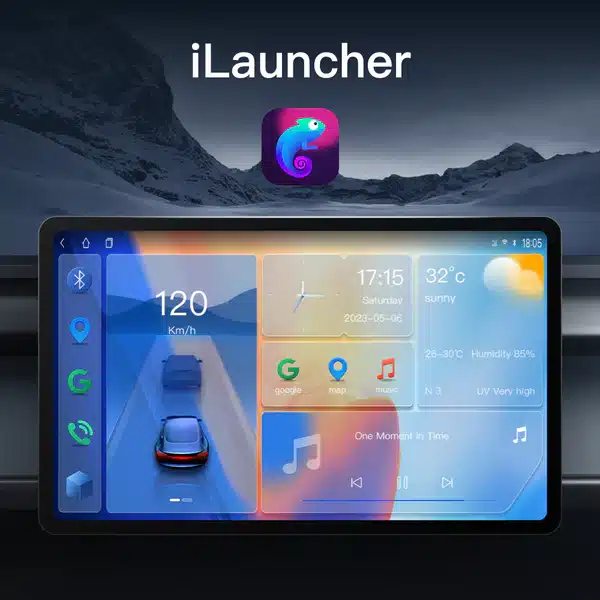
iLauncher Pro is not a hardware replacement. It is the faster, cleaner path to a better in-car experience. If your current home screen feels old, cluttered, or simply inefficient, this upgrade gives you a more organized dashboard, clearer visual hierarchy, and a layout that works the way real drivers use their screens every day.
The core idea remains the same as your original article: keep the existing Android head unit, replace the weak stock interface, and gain access to 1,000+ themes, practical widgets, cleaner shortcuts, and a more modern cockpit feel. What changes in this enhanced version is the presentation: more structured sections, stronger trust building, better visual flow, and clearer reasons to buy now instead of postponing the upgrade.
That means you are not only improving the dashboard today, but also extending the value of the software across a longer ownership period. The offer matches the original article’s promotion and gives the page a stronger conversion anchor without changing the product itself.
Bonus code is typically sent by email after purchase. Redeem within 30 days. Applies to eligible new or existing use cases as described on the product page.
- Drivers using Android-based head units who are dissatisfied with the default home screen.
- Owners who want a stronger visual result without replacing the hardware.
- Installers and resellers who need a software upsell that looks obvious in demos.
- Buyers comparing whether to spend on a launcher first or on a new screen later.
Why drivers replace the stock UI before replacing the whole head unit
The stock launcher on many Android head units is not truly broken. The real problem is that it often feels unfinished: poor spacing, weak typography, inconsistent icon language, and a layout that looks generic rather than automotive. That is why launcher upgrades have such a strong perceived impact. You are not fixing wiring or changing audio hardware. You are correcting the surface the driver sees every single time the screen wakes up.
This is also why a software-first strategy is more convincing than an immediate hardware replacement. A new unit costs more, adds installation risk, and may not even solve the part of the experience that bothers the user most. In many cases, the frustration is visual and operational, not electrical. A modern car launcher addresses that directly.
What iLauncher Pro actually improves in daily use
Many pages talk about themes as if the value is cosmetic only. That is too shallow. The real value of a well-designed Android car launcher is operational clarity. Your home screen becomes easier to read, easier to use, and easier to trust while driving. That is why the feature list below matters beyond marketing language.
| Ерекшелік | What the original article says | Why it matters to the buyer |
|---|---|---|
| Customizable user interface | Adjust tile size, density, and panel order. | Lets the driver build a dashboard around habits instead of adapting to a poor default layout. |
| Real-time widgets | Weather, time, optional speed, and practical glance data. | Reduces switching between apps and keeps core information on one visual plane. |
| Multi-form interaction | Touch controls and steering-button passthrough where supported. | Preserves daily convenience and makes the launcher feel integrated rather than separate. |
| App shortcuts and rearrangement | Pin the apps you use most and move them quickly. | Improves routine speed for navigation, music, calls, camera, and utility apps. |
| 1,000+ online themes | Large theme library with live visual switching. | Turns the product from a one-time fix into a platform the user can keep refreshing over time. |
| Broad Android support | Works with many Android 8.1–14+ systems. | Widens the buyer pool and reduces hesitation before purchase. |
Better first glance
The first screen should answer the most common questions instantly: where am I going, what is playing, what time is it, and what app do I need next. iLauncher Pro improves that first-glance experience.
Less visual fatigue
Many stock launchers waste attention with poor icon proportions, crowded panels, or awkward color use. A more controlled car dashboard launcher reduces that friction.
More premium perception
Even when the hardware remains the same, a polished UI makes the entire unit feel more expensive, newer, and more intentional.

Why theme customization is more valuable than most people think
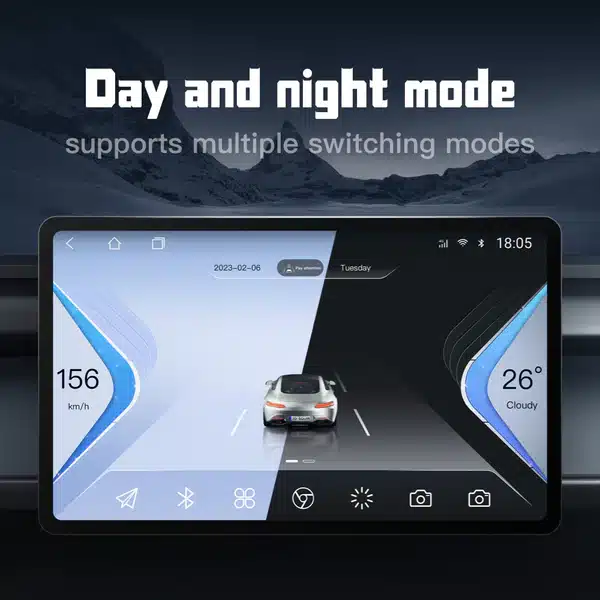
A theme library becomes persuasive when it solves different driver personalities without changing hardware. One user wants an OEM-style layout that feels factory-plus. Another wants a modern split-screen look with stronger media focus. Another wants something bold and high-contrast for quick visibility. The value is not just “many themes.” The value is that the same device can keep evolving as the user’s preferences change.
This is particularly important for Android head units because they often stay in the vehicle for years. A buyer may accept basic hardware if the interface can keep feeling fresh. That is one of the strongest arguments for a theme-focused product page: it positions the purchase as an ongoing quality-of-life upgrade rather than a one-time cosmetic tweak.
OEM-style theme
Best for drivers who dislike flashy layouts and want a restrained factory-like look. Prioritize maps, media, and phone. Keep weather and time small and consistent.
Commute-first theme
Best for urban use. Large navigation tile, adjacent media control, and one-touch call access. The goal is low-friction decision making during repeat daily routes.
Road-trip theme
Best for long drives. Add local weather, speed, offline apps, and quick access to camera or dashcam tools. Emphasize readability in changing light.
How to make a launcher look professional instead of cheap
Not every customized dashboard looks good. Some end up louder, busier, and less usable than the stock UI they replaced. To make this page more convincing, the article should not only praise customization. It should guide the user toward disciplined customization.
What improves the result
- Use two or three dominant functions on the first screen only.
- Keep time and weather visible but secondary.
- Use restrained accent colors for active states, not for everything.
- Choose larger touch targets instead of packing more apps into one screen.
- Keep map, media, and phone positions stable across theme changes.
What weakens the result
- Too many widgets fighting for attention.
- Thin text or small icons that disappear in bright daylight.
- Overly saturated themes that look impressive in screenshots but tiring in the car.
- Constantly changing the layout so no muscle memory develops.
- Adding every shortcut instead of only the ones used every day.
Stock launcher vs iLauncher Pro: where the difference becomes obvious
| Experience area | Typical stock launcher | iLauncher Pro advantage |
|---|---|---|
| Visual polish | Generic layout, weak hierarchy, dated graphic language. | More modern presentation with theme variation and cleaner balance. |
| Home screen logic | Often fixed or poorly prioritized. | Can be customized around maps, media, phone, and user routines. |
| Long-term freshness | Usually feels the same forever. | The theme library gives the owner reasons to keep using and refining the interface. |
| Perceived value | The unit may feel cheaper than it really is. | A better home screen lifts the perceived quality of the entire device. |
| Upgrade path | Pushes the buyer toward replacing hardware. | Lets the buyer improve the experience first at lower cost and lower risk. |
Performance reality: software matters, but hardware still sets the ceiling
Your original article already handled this point correctly and it should stay. iLauncher Pro itself is a software upgrade, but long-term smoothness still depends on the underlying head unit. That means this page can be persuasive without pretending software fixes every hardware weakness.
For buyers planning a future hardware refresh, a stronger configuration such as 12+512GB remains the more durable choice for heavy multitasking, large map use, streaming apps, and smoother theme switching over time. For older units, the honest advice is simpler: use a lighter theme, avoid excessive widgets, and focus on utility instead of visual excess.
Compatibility: where iLauncher Pro fits best, and where buyers should check first
The original article states support for most Android car systems from Android 8.1 to 14+, including common chipset families. That broad compatibility is valuable, but the page becomes more trustworthy when it also explains the exceptions clearly instead of pretending there are none.
Usually a good fit
- Android head units that allow third-party launcher installation.
- Units with Play Store access or APK sideloading support.
- Systems where the default home app can be changed in settings.
- Owners who already use app-based customization on their unit.
Cases that need checking
- Vendor-locked units that force a stock launcher at boot.
- Very low-memory systems with poor storage speed.
- Custom firmware builds that block launcher selection.
- Users expecting the launcher itself to replace CarPlay or Android Auto apps.
A good car launcher is also a safety choice
This is one of the strongest parts of the original article and should remain prominent. A better launcher is not merely prettier. It can reduce unnecessary visual searching and make the first layer of the screen more predictable. When tiles are larger, labels are clearer, and priority apps stay in fixed positions, the driver spends less time figuring out where to look.
That is also why professional pages should not celebrate endless motion or excessive effects. Good in-car UI is disciplined. The best design choice is often subtraction, not addition. A controlled automotive launcher should help the driver act quickly and return attention to the road.
Practical safe-layout rule
Keep the first row for the three things most drivers use most: navigation, media, and phone. Everything else is secondary until repeated real use proves otherwise.
Use-case scenarios that make the article more believable
Daily commuter
A buyer who opens Maps and music every morning does not need a complicated home screen. A clean layout with large navigation, media controls, and small weather/time widgets creates a calmer and more premium routine.
Shared family vehicle
Consistency matters more than novelty. Keep the same three app positions across themes so every driver develops the same muscle memory. That is safer and reduces family confusion.
Weekend driver or traveler
Add offline apps, weather, speed, camera, or dashcam shortcuts. The launcher becomes a route-planning surface rather than just an app shelf.
Installer or reseller
Few software demos are as easy to understand visually as a launcher upgrade. A before-and-after theme switch helps customers see immediate value without opening the dashboard.
How to activate iLauncher Pro
Step 1. Open Dofun iLauncher / iLauncher Pro on your Android head unit.
Step 2. Go to Settings → Activation.
Step 3. Enter the 12-month activation key sent after purchase and confirm.
Step 4. Enter the bonus 3-month code within the stated redemption period to stack additional time.
Step 5. Open the theme store, choose a layout, and set your preferred home screen arrangement.
If activation or default launcher behavior does not work as expected, provide order information, device details, and a short video or screenshots for faster support review.
Common problems and the honest fixes
Launcher does not stay default
Go to the device’s default apps or home app settings, reselect iLauncher Pro, and reboot again. Some systems remember the selection more reliably after a second restart.
Animations feel heavy
Switch to a lighter theme, reduce widget count, and avoid unnecessary motion effects. Older systems benefit from simplicity.
CarPlay or Android Auto icon is not obvious
The launcher changes the home surface, not the dongle or integration app itself. Add the relevant app as a tile or shortcut in the layout.
Theme store will not load
Check the network connection. Tethering sessions and captive portal sign-ins are common causes when downloads or previews fail.
Why this product is easier to sell than many hardware upgrades
Hardware upgrades need explanation. Software launcher upgrades often sell themselves once the customer sees the visual difference. That is the commercial strength of this article. The buyer can immediately understand what changes: the home screen looks better, works better, and feels more modern. No deep technical education is required.
For that reason, this product page should lean on clarity, screenshots, scenario-based persuasion, and controlled claims. It does not need exaggerated language. The product already has a simple, intuitive promise: make the Android head unit feel better to use every day.
Choose a better theme, organize the apps that matter, and turn a generic head unit into a more premium, more logical driving surface.
Myths that should be removed from the buyer’s mind
- “I need new hardware to get a better dashboard.” Not necessarily. In many cases the biggest weakness is the launcher, not the screen itself.
- “Themes are only cosmetic.” Wrong. Layout, contrast, spacing, and shortcut logic change how quickly the screen can be used.
- “A custom launcher will break CarPlay or Android Auto.” The launcher changes the home environment, not the underlying integration app.
- “More widgets automatically means more value.” Usually the opposite. Better driving UI comes from prioritization, not crowding.
What the license includes and what buyers should reasonably expect
- License duration: 12 months of Pro access, with the promotion adding 3 more months.
- Theme access: one of the main reasons to buy, especially for users who want ongoing visual flexibility.
- Usability gains: cleaner organization, faster shortcut access, and a more polished dashboard.
- Support expectation: best handled with clear order information and device details.
- Reality check: the launcher improves the interface; it does not turn weak hardware into high-end hardware.
Жиі қойылатын сұрақтар
What is the real difference between Dofun iLauncher and iLauncher Pro?
Will this work with my Android head unit?
Does iLauncher Pro replace CarPlay or Android Auto?
Why buy a launcher before replacing hardware?
Do I need a powerful unit for the software to be useful?
Can I keep an OEM-like appearance instead of a flashy custom design?
Is the 12+512GB recommendation a requirement?
Related reading: Android Head Unit Buying Guide · Shipping · Warranty